Bienvenue chez les Fils de la Charité
Congrégation religieuse de prêtres et de frères consacrés à l’évangélisation par les paroisses populaires et les oeuvres
Qui sommes-nous ?
Le père Jean-Emile Anizan a fondé les Fils de la Charité à Noël 1918. La vocation des religieux s’appuie sur 4 piliers : travailler avec le Christ pour que le monde connaisse Dieu, emprunter des chemins proches du peuple, devenir des saints et se laisser accompagner par Marie. Nous vivons et servons l’Évangile de Jésus aujourd’hui.
Que faisons-nous ?
Nous vivons en quartiers populaires en Europe (France, Espagne, Portugal et Italie), en Afrique (Côte d’Ivoire, République du Congo et RDC), en Amérique (Mexique, Colombie, Brésil, Canada) et en Asie (Philippines). Nous sommes engagés aux périphéries dans des œuvres sociales et éducatives.
Que publions-nous?
A travers nos publications nous voulons vous dire notre passion pour Dieu et pour le peuple. Nous donnons des éléments pour réfléchir et se former en particulier aux laïcs engagés dans un service de l’Église ou une vie chrétienne militante. La revue Chantiers est publiée tous les trimestre en ce sens.
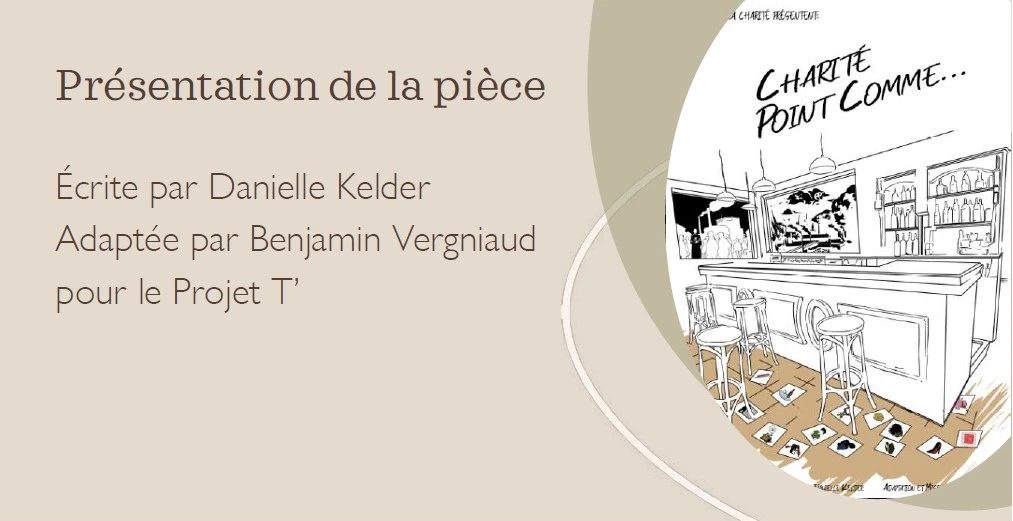
A travers le théâtre
Naissance du projet T’
Le projet a pris naissance dans l’esprit du Père Benjamin, religieux-prêtre de la congrégation des Fils de la Charité.
Il a ensuite été soutenu par Inès et Laura, formant à eux trois, l’équipe des accompagnateurs.
Quelques semaines plus tard, les jeunes ont été personnellement appelés à rejoindre l’équipe du Projet T’. Le but du Projet T’ est de permettre à des jeunes de vivre une expérience de cheminement personnel et de vie de groupe à travers le théâtre …


Qui sommes-nous ?
Vocation auprès des populations ouvrières
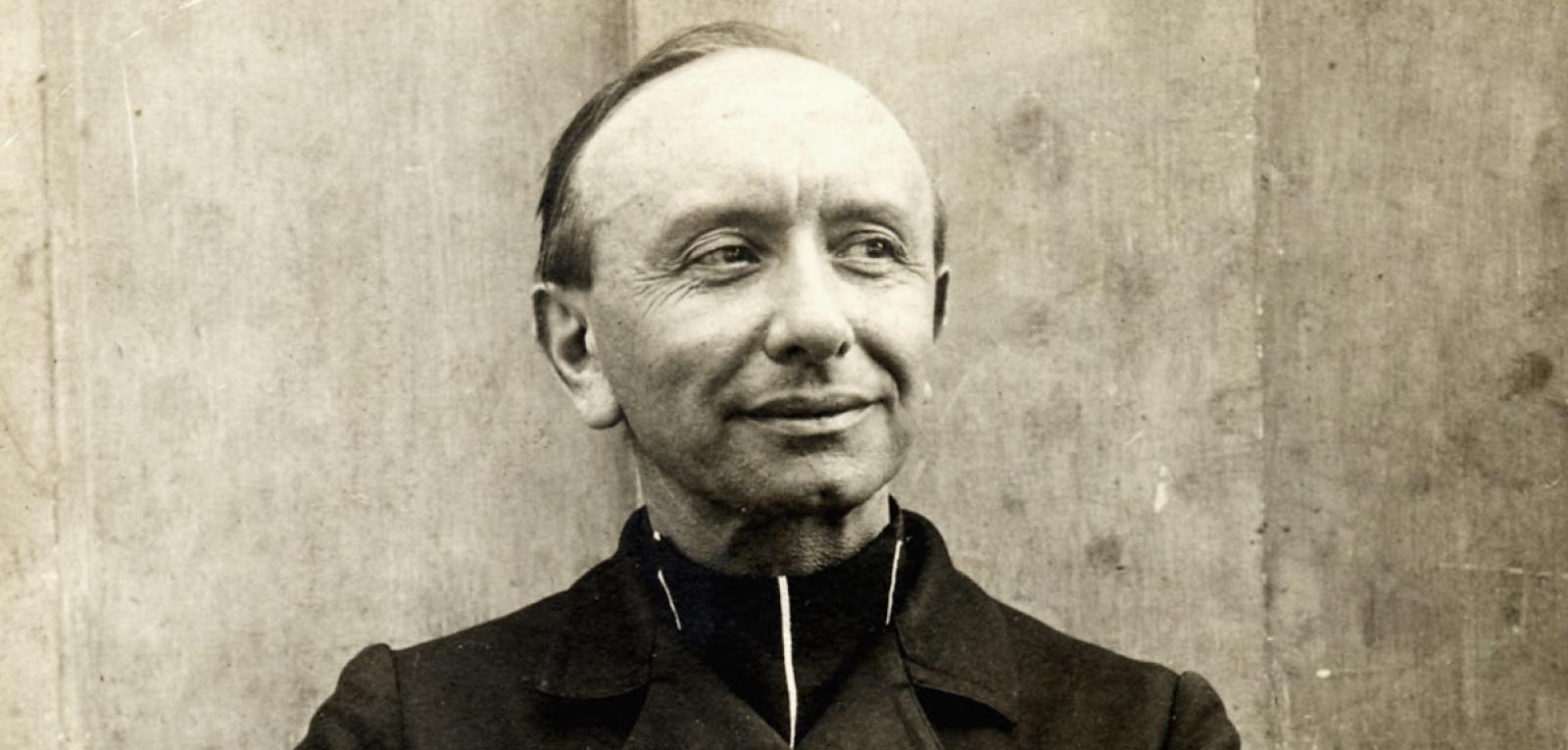
Jean-Emile Anizan est né à Artenay (Loiret) le 6 janvier 1853. Après ses études à Orléans puis à Paris au séminaire Saint-Sulpice, il est ordonné prêtre en 1877. Il obtient de son Evêque la permission d’entrer chez les Frères de Saint Vincent de Paul rencontrés lors de ses études à Paris. Il a trouvé dans leur vocation un chemin de sainteté pour lui-même et de travail apostolique auprès des populations ouvrières.
D’abord simple religieux dans le quartier populaire de Charonne, il manifeste une grande activité de charité apostolique auprès des jeunes du patronage mais aussi des familles pauvres et ouvrières du quartier …
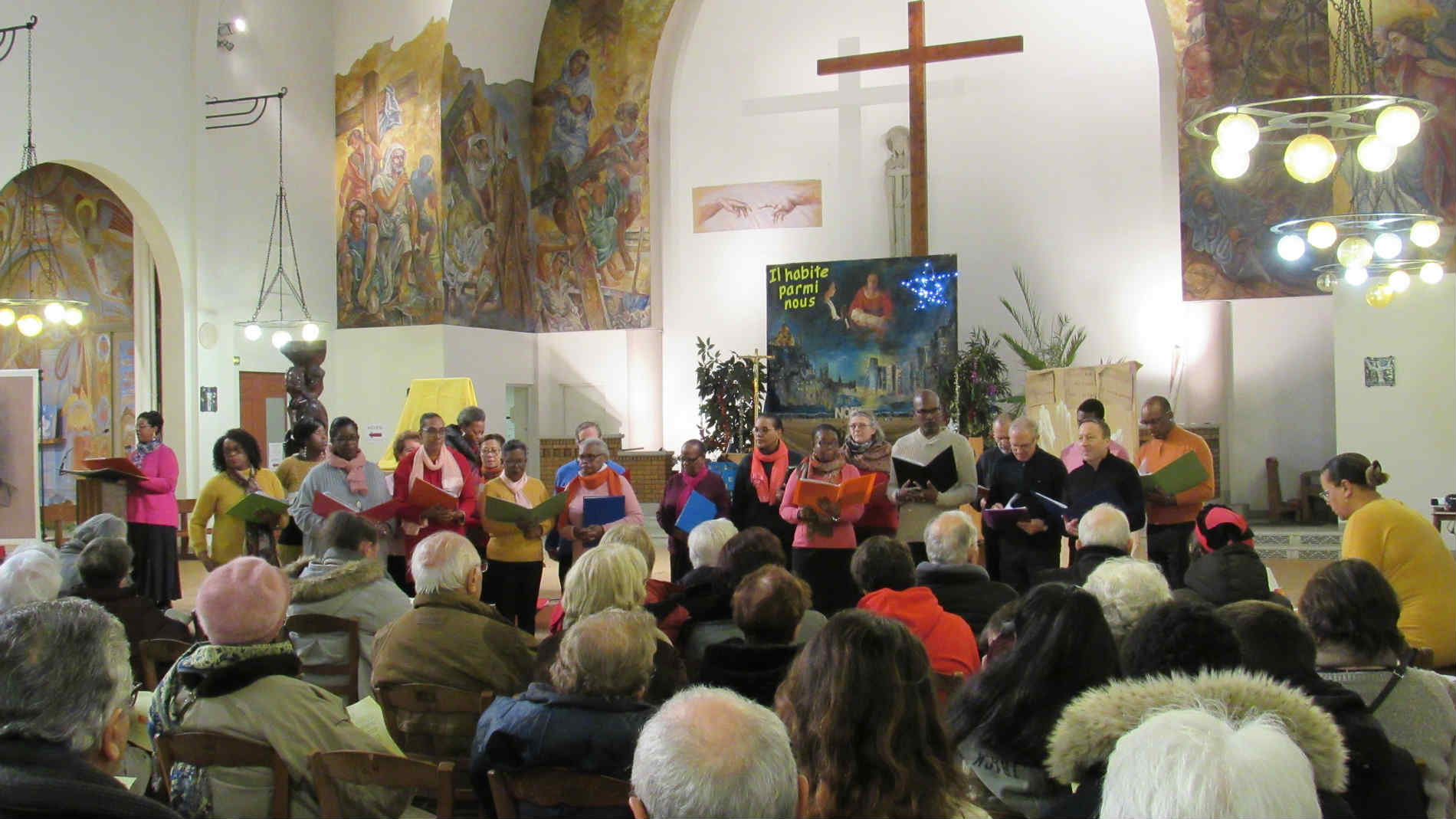
Le Blog
Actualités des Fils de la Charité
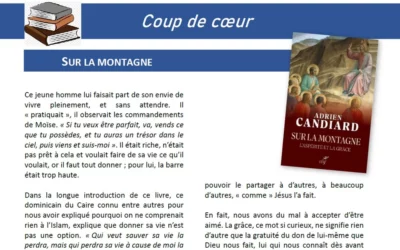
Sur la montagne par Adrien Candiard o.p.
Adrien Candiard o.p. explique que donner sa vie n’est pas une option. Mais, précise-t-il, le premier à tout donner, gratuitement, n’est-il pas Dieu lui-même ?

Se laisser étonner par l’Ancien Testament par Alain Patin
Alain Papin a retenu Jonas, Abraham, Moïse et Élie. Dieu se donne à voir dans des histoires tourmentées. Sans doute en est-il de même pour nous.
10 conseils pour vivre le carême
Michel Retailleau fc nous rappelle que le temps du Carême se vit le concret avec un brin d’humour du Cardinal belge Godfried Daneels
Témoignages
Des Fils de la Charité témoignent

Une humble confiance
José Rodier fc
Le père José a fait profession religieuse le 2 novembre 1958. Il a passé presque toute sa vie de Fils de la Charité en Espagne, dans la banlieue populaire de Madrid où il réside encore actuellement. Humilité, confiance et pauvreté sont les mots clés de son engagement auprès du peuple et dans l’Eglise..
Joseph
Joël Vabre fc
Le père Joël a fait profession religieuse le 17 septembre 1977. En équipe à La Courneuve, il a débuté comme prêtre-ouvrier durant 15 ans. Nommé au Kremlin-Bicêtre où il est resté sept ans, il a rejoint ensuite la Cité Saint-Pierre à Lourdes comme aumônier au Secours Catholique. Après une nomination à Villeneuve Saint-Georges, il est actuellement au service des habitants de Saint-Ouen
Joël
Nelson Lemos fc
Le père Nelson a fait profession religieuse le 7 juillet 1985. Jeune, il a travaillé à Santo André puis São Paulo. Il a été responsable de la branche du Brésil et du postulat. Il est parti cinq ans à Ixtapalapa au Mexique (d’où il a témoigné de sa vocation lors de la célébration des trente ans de présence des Fils de la Charité au Mexique). Depuis 2014 il est retourné au Brésil.
Nelson
Où sommes-nous ?
Les Fils de la Charité sont présents en Afrique Amérique Asie Europe
religieux
pays de mission
Ans d'existence
continents
FAQ – Fils de la Charité
Questions les plus fréquentes
Comment devenir Fils de la Charité ?
La formation est aménagée en fonction du parcours et de la formation antérieure du candidat, mais d’une manière générale, le cadre est le suivant : le Pré-Postulat (ou regardant), le Postulat, le Noviciat et le Scolasticat.
Pour aider au discernement vous pouvez écrire au religieux responsable de la formation de votre région géographique par le formulaire de contact.
Puis-je loger dans votre Maison d'Accueil à Issy-les-Moulineaux?
L’Accueil Saint-Paul est ouvert aux groupes pour des sessions, retraites, séjours à caractère éducatif, culturel ou social. La location de salle et hébergement dans un cadre arboré sont sous conditions du caractère du séjour. En savoir plus
Quels sont les propositions pour les jeunes de 18 à 35 ans ?
Tout au long de l’année, des rencontres jeunes sont organisées dans les paroisses. Certaines activités rassemblent tous les jeunes de la Famille spirituelle Anizan. En savoir plus
Quel regard portez-vous sur notre vie Fils ?
Ces dernières années, plus nous redécouvrons la profondeur des intuitions de notre fondateur, plus nous prenons conscience de la centralité de la vie religieuse, comme expérience de Dieu faite avec des frères. Plus nous avançons sur ce chemin, plus nous constatons qu’il est source de bonheur pour nous et aussi pour notre peuple à travers notre vie pastorale et apostolique.
Quelle est votre mission ?
Aller ensemble, pour trouver Dieu dans les périphéries du monde
“Moi, je suis le bon pasteur ; je connais mes brebis, et mes brebis me connaissent” Jean 10, 14
“Nous sommes les pasteurs des brebis, des âmes de nos paroisses, de nos œuvres. Dieu nous a suscités pour elles. Pour elles il nous a donné à tous, prêtres et frères, notre vocation et toutes les grâces qui en découlent…
Nous sommes invités à devenir et à être des hommes capables “d’éveiller le monde”, et plus particulièrement ces périphéries dans lesquelles nous sommes implantées et où nous vivons notre mission et notre ministère de Fils de la Charité.
Hommes de la “Charité incarnée”, nous sommes invités à l’élargissement, à la croissance de l’Eglise dans sa conversation avec/dans ce monde des petits, des travailleurs, des pauvres, des migrants dans nos lieux de mission”.
Pierre Tritz fc
Quelle est la source de votre vocation ?
« Quand l’appel de Dieu à notre vocation se fit entendre, un triple idéal se présenta à nous et séduisit nos âmes : la sainteté, la fécondité apostolique et l’évangélisation des pauvres (…) Il nous fallait les trois, et, c’est parce que nous les avons trouvés providentiellement réunis dans l’Institut des Fils de la Charité, que nous y avons reconnu la place où Dieu nous voulait. » (NTI, p. 1)
Comment faire un don avec un reçu fiscal ?
Afin de soutenir des initiatives à caractère social dans différents pays où les Fils de la Charité sont présents, nous avons créé en 2011, une Fondation Anizan, du nom de notre fondateur.
Cette fondation est abritée par le Secours Catholique “Caritas France”.
Les dons à la Fondation Anizan permettent de bénéficier d’une déduction fiscale jusqu’à 75%. En savoir plus
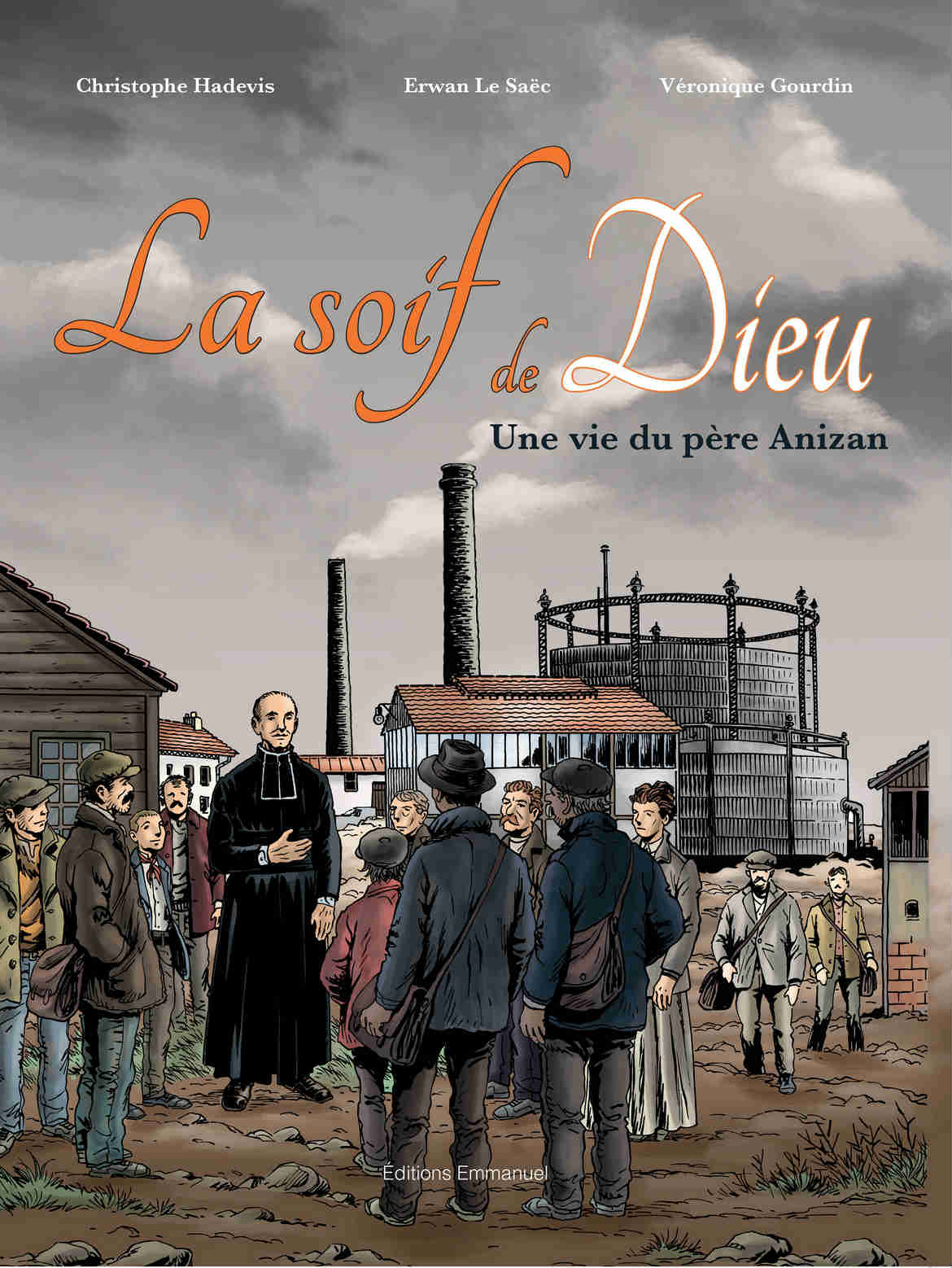
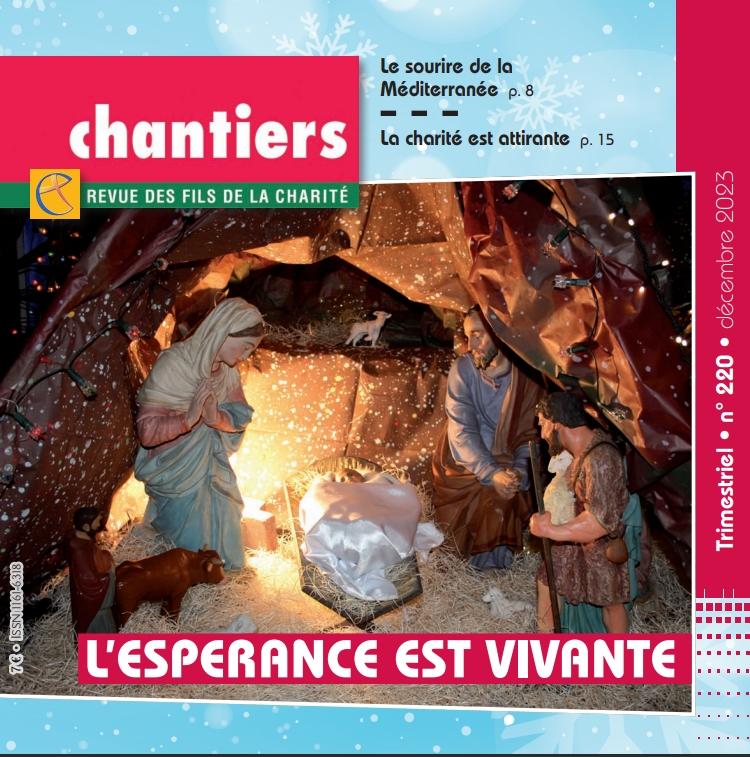
La revue Chantiers
Trimestriel des Fils de la Charité
Édito de décembre 2023 : “L’Espérance est vivante”
Dans ce numéro de Chantiers à l’aube de Noël, nous voyons des représentants des grandes religions qui se rencontrent et se parlent à Ris Orangis, alors que d’autres se déchirent sur les terres de Jésus de Nazareth. Des personnes déficientes visuelles continuent à être militantes grâce au mouvement de l’Action Catholique Ouvrière qui leur donne la possibilité de s’organiser.
Noël c’est aussi des initiatives qui peuvent nous surprendre en d’autres pays : la nuit du radis au Mexique, Noël en Colombie, ce fut pour les Fils de la Charité la joie de fêter les 100 ans de Paul Thouard fc. Avec Paul on avait l’impression que c’était Noël tous les jours !
Jean Guellerin fc
Soutenir notre mission
La Fondation Anizan des Fils de la Charité
Nous avons créé une Fondation Anizan du nom du fondateur pour soutenir des initiatives à caractère social dans les pays où sont présents les Fils de la Charité.
La Fondation est abritée par le Secours Catholique “Caritas France”.
Vous pouvez faire partie de notre réseau de donateurs afin d’aider actuellement au finalement de plusieurs réalisations.